Prigorje land is folk'd up in many different ways
Prigorje region
Prigorje (red on the map) is a historical and geographical region that literally means "by the mountain."
The Prigorje region includes the southern slopes of Medvednica mountain, forming a beautiful natural and cultural border along the northern and eastern parts of Zagreb.
Imagine a green, sun-drenched embrace wrapping around Croatia’s capital city, Zagreb. That is Prigorje!
The Prigorje fashion
Everyday Style
For fields and vineyards, Prigorje folks wore a simple, unadorned attire made of homegrown linen or hemp—plain, but practical for hard work, flexibility and comfort.
Sunday Best
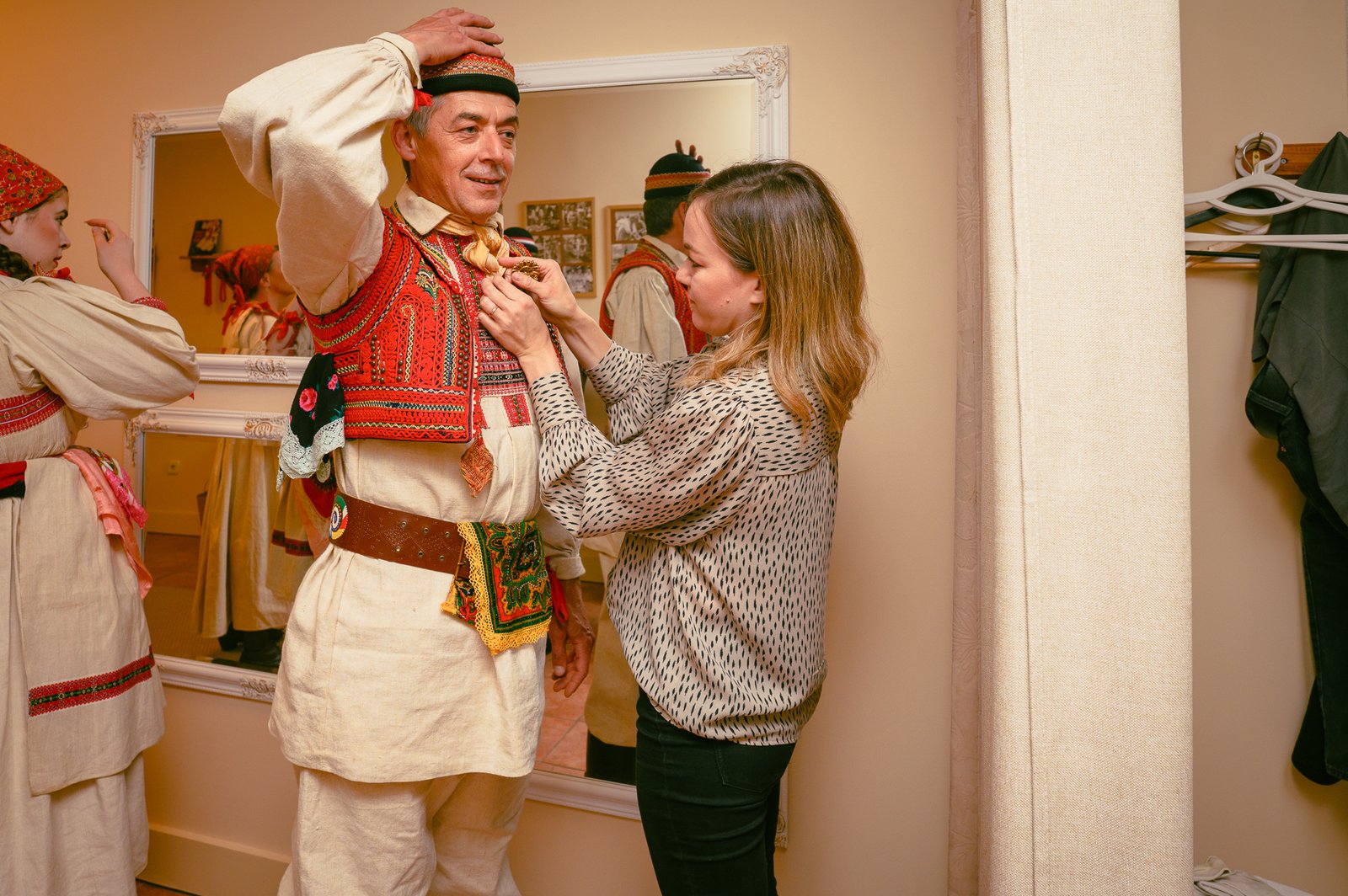
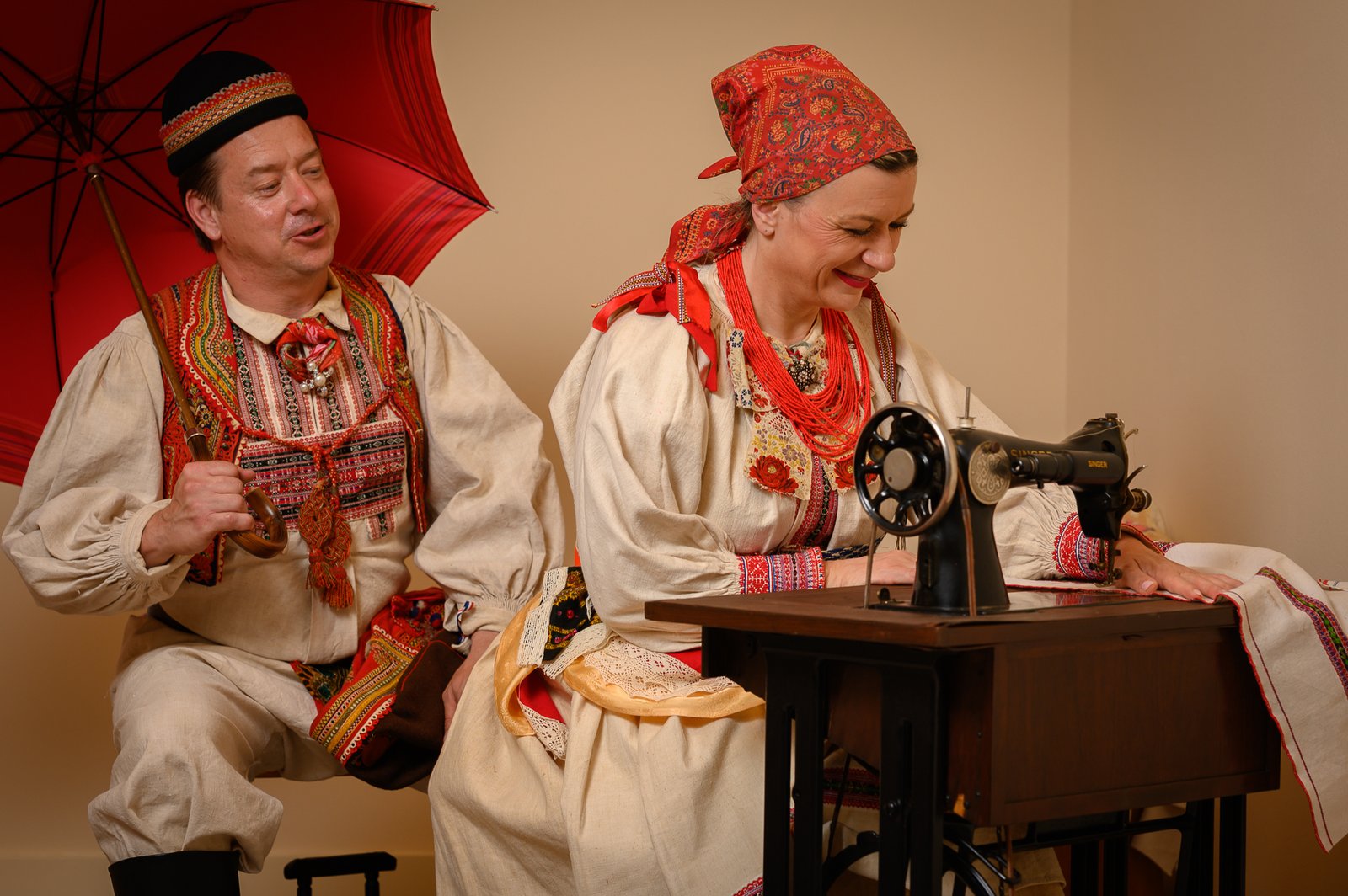
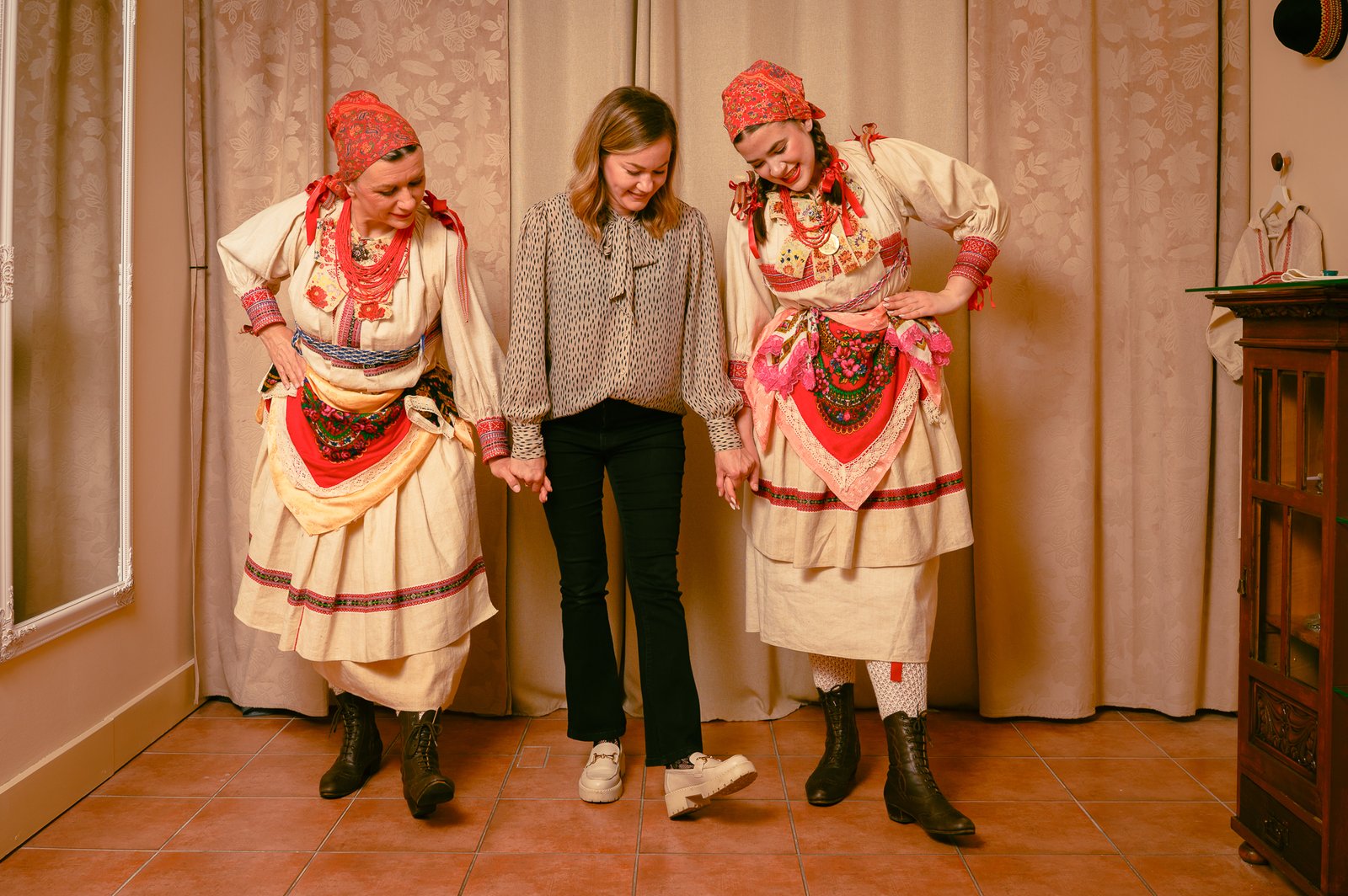
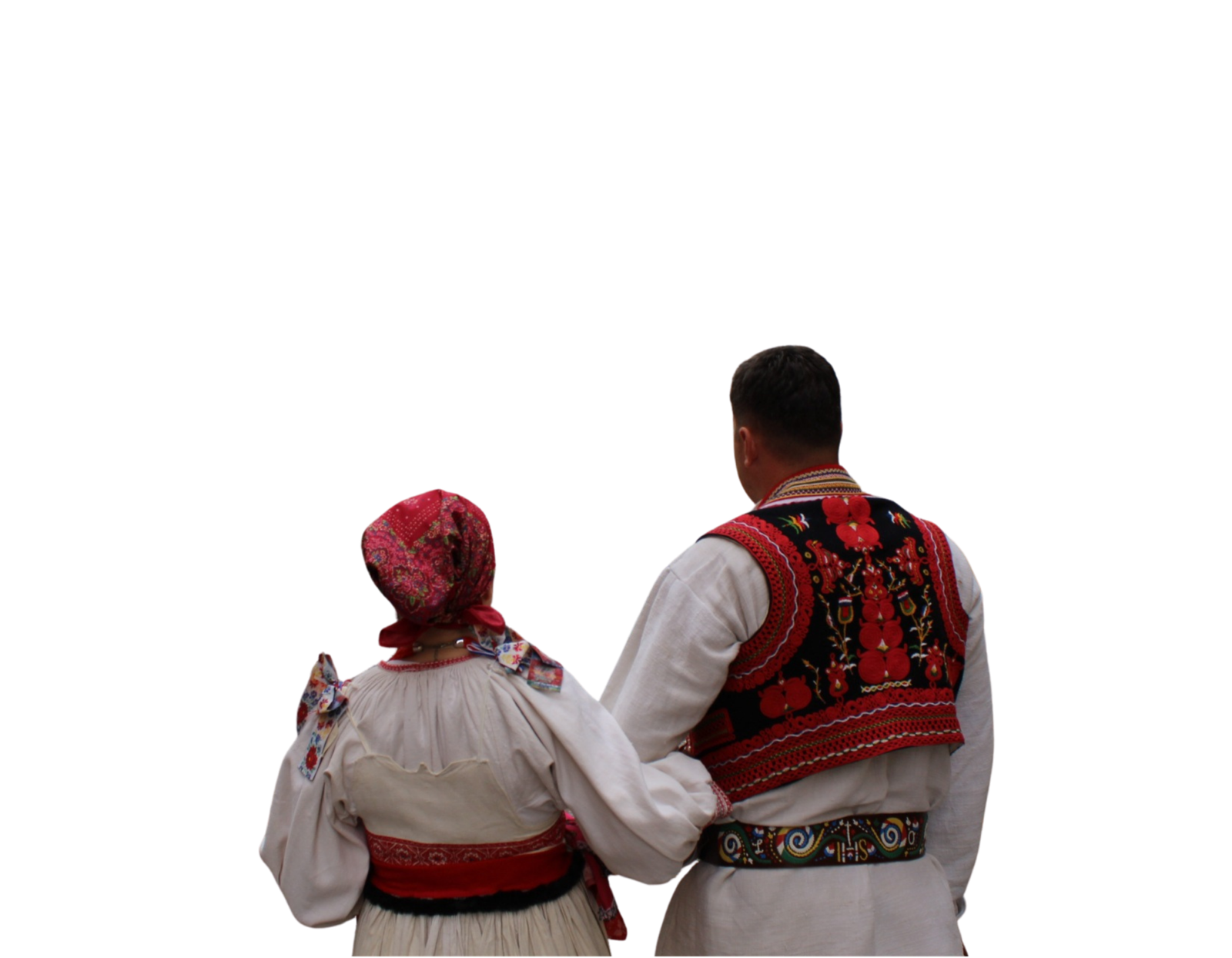
For weddings, church, and festivals, plain linen was transformed into splendor. Women adorned themselves with the finest headscarves they had, silk bows, shiny brooches, red coral necklaces, and embroidered waist handkerchiefs.
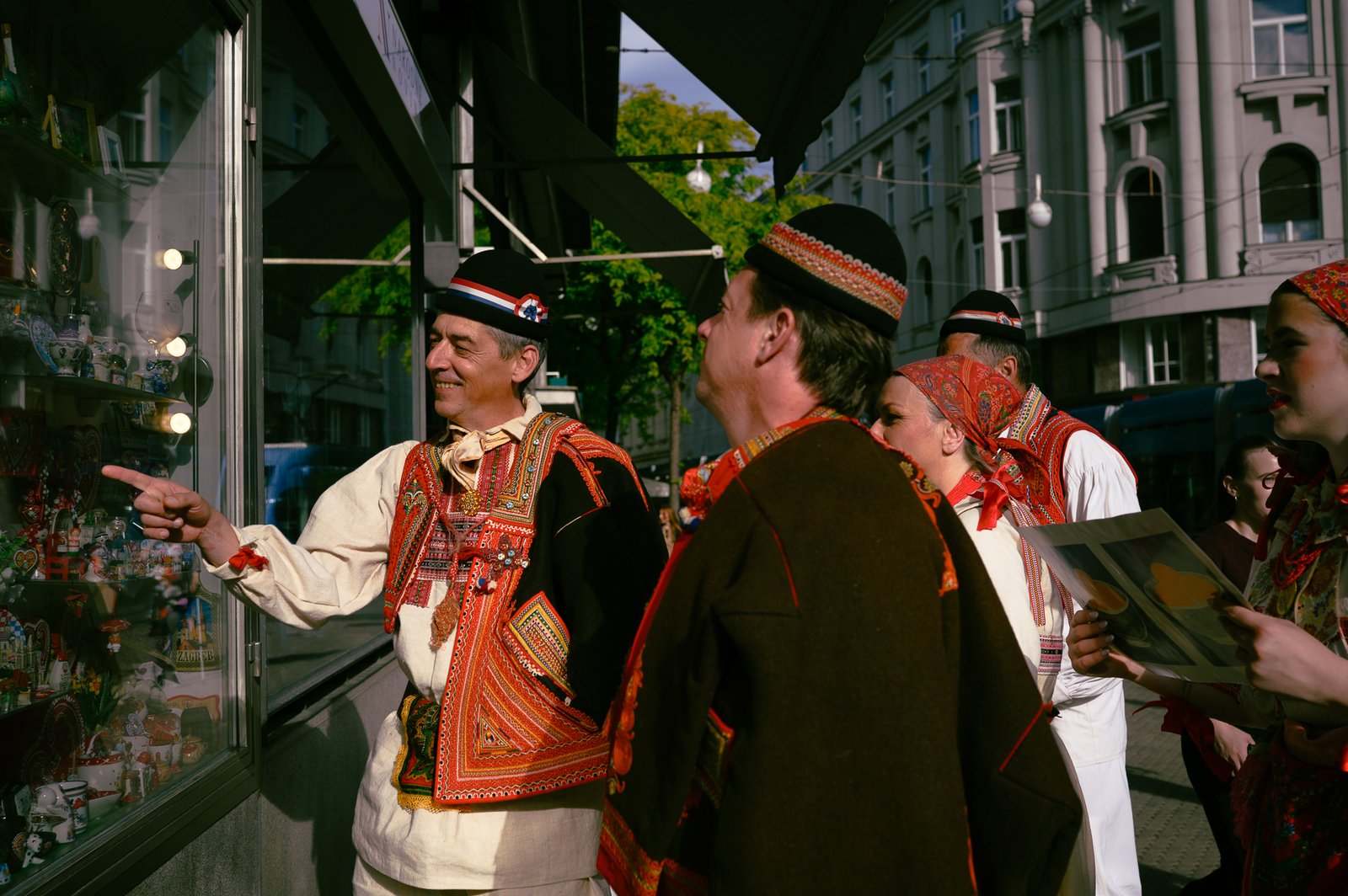
Men proudly showed off richly decorated red vests called lajbek and wide leather belts, where they also tucked embroidered handkerchiefs, completing their look with their finest boots and traditional hat known as škrlak.
Village ID
Sleeve embroidery called ošvice revealed your home hill. The distinct arrangement of geometric patterns and subtle details clearly indicated which village you belonged to.
Status Symbol
Age & Mood
Bright, vivid reds were reserved for the youth, symbolizing joy, fertility, and protection against the evil eye.
Prigorje fashion was much more than just clothing. From simple linen for hard work to vibrant adornment for special occasions, every single piece of clothing told a story.
The Rhythms & Flavors of Prigorje
To truly understand Prigorje, you have to experience how people lived. Here, community spirit was always shared through lively music, energetic dance, and flavors as warm as a kumica’s hug.
Song & Dance
The air was filled with songs and lively sounds, starting with early strings and woodwinds, until the tamburica took over. Back then, you could instantly tell which village someone came from just by the way they sang and emphasized their dance steps. Every hill added its own little flair to the same songs – popevke. It all culminated in the drmeš – a dynamic dance known for the constant, rhythmic vibration of the entire body generated from the knees.
Food & Market
Wine and Vineyards
We were folk'd up long before Folk me up existed
We are Dora and Luka, a couple from Zagreb
Born and raised in Remete, at the foot of Medvednica — an area of Zagreb known as Podsljeme, home to the traditional Prigorje and Šestine folk costume that inspired the heart of our story.
Folklore was never just a hobby for us
Folklore isn’t just a hobby for us. Music, dance and traditional costume are the identity of the land we grew up in — they shaped who we are, took us around the world, and brought us back home every time.
For years we’ve been sharing this love through dance and music at folklore festivals, concerts and cultural events.
How do we contribute to keeping our tradition alive
As the world keeps moving faster, we have to change the way of preserving our heritage. We believe tradition doesn’t belong only in a museum. It lives on the streets, through the people, and in their memory.
The Folk me up concept was created to help make that happen — one experience at a time.