
According to a local legend, Zagreb was born right here.
Stop 1. Manduševac fountain
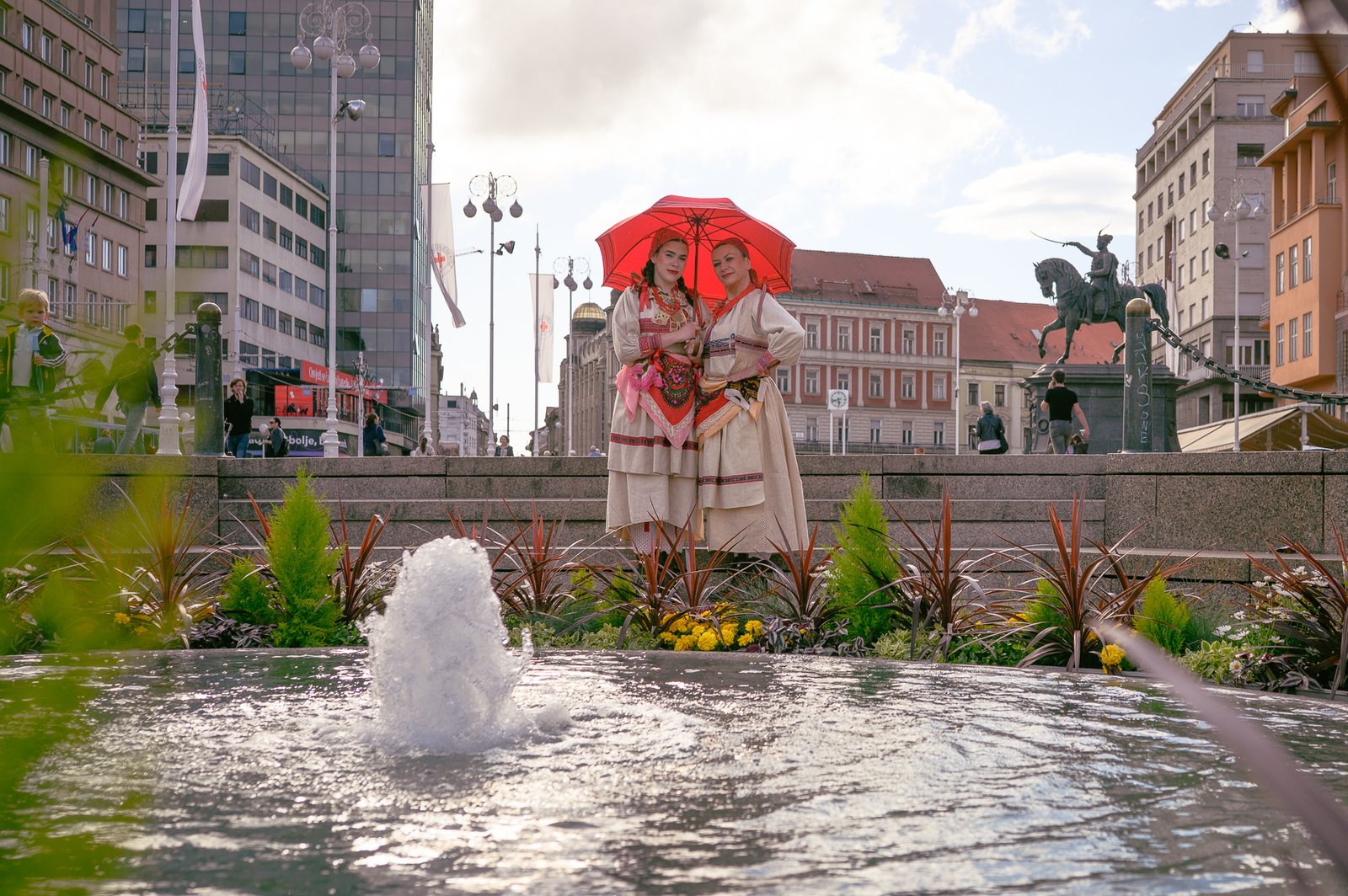
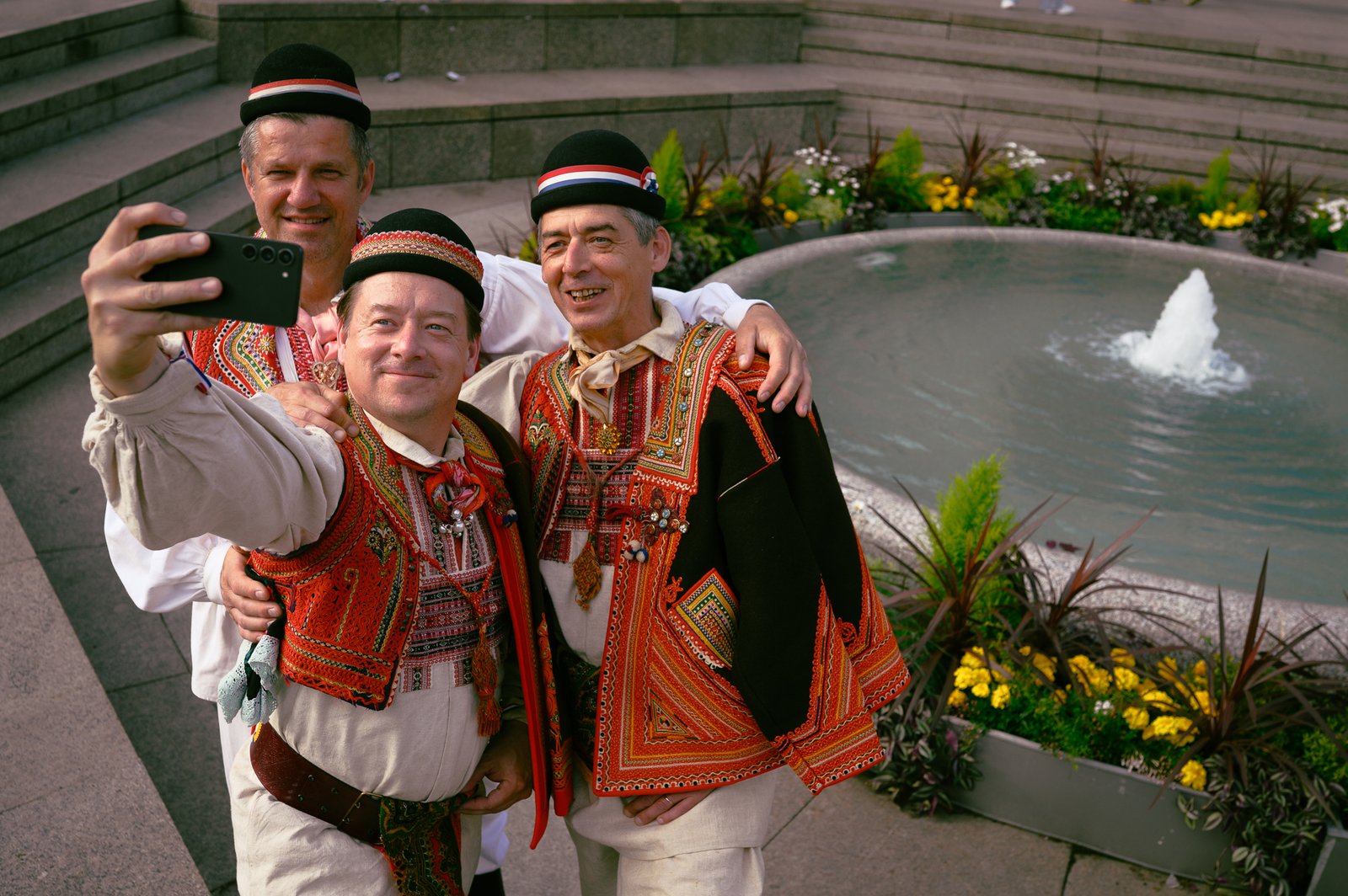
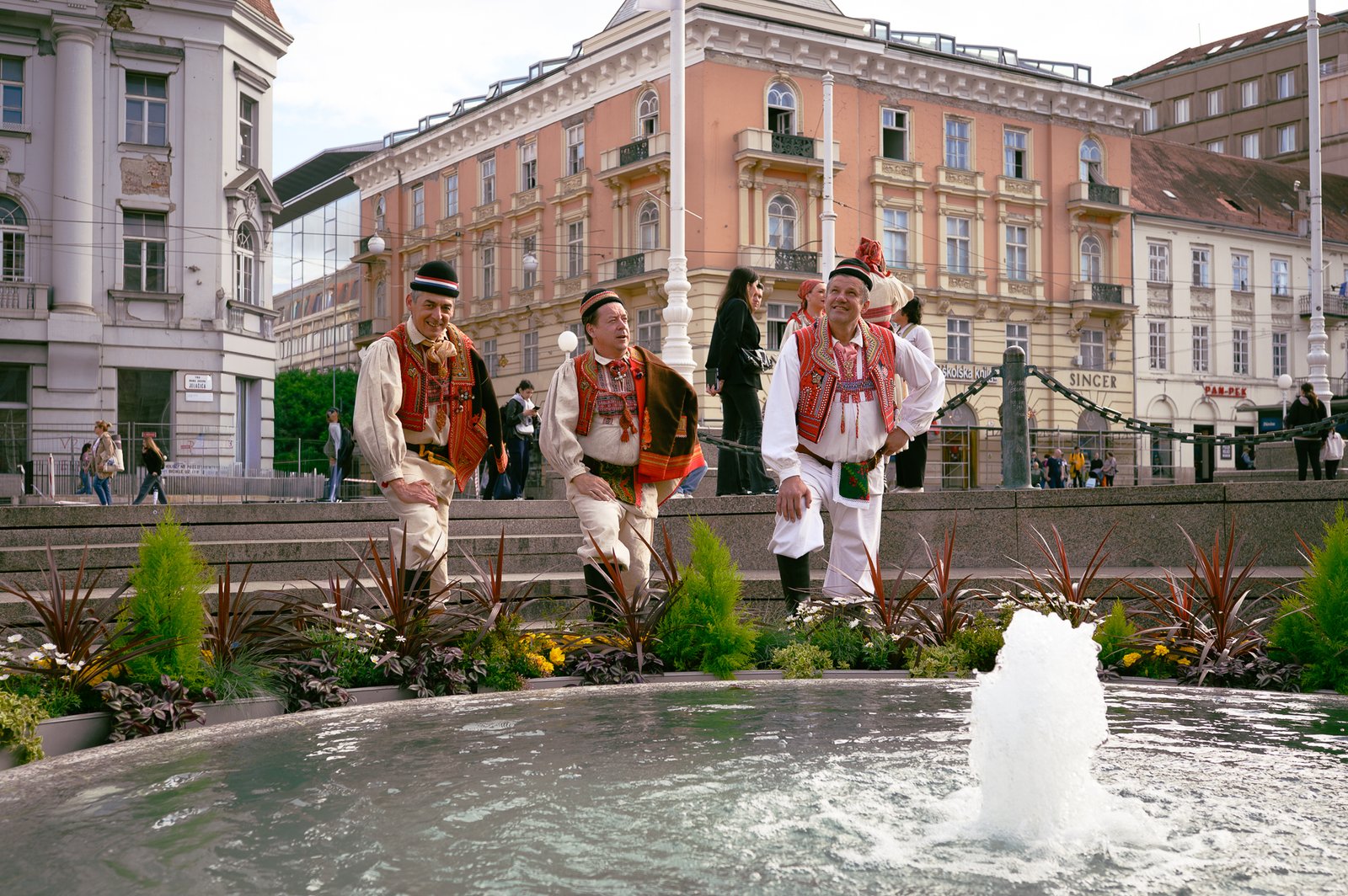
Manduševac originally served as a source of drinking water for the city's residents. Its name comes from the phrase "Zagrabi, Mando!" ("Scoop up the water, Manda!"), said by a traveler to a young girl at the spring.
The spring was covered in the 19th century and restored in 1987. Today, visitors often toss a coin into the fountain for good luck, as locals say that as long as Manduševac flows, the spirit and life of Zagreb flow with it.
Manduševac originally served as a source of drinking water for the city's residents. Its name comes from the phrase "Zagrabi, Mando!" ("Scoop up the water, Manda!"), said by a traveler to a young girl at the spring.
Continue reading
The spring was covered in the 19th century and restored in 1987.
Today, visitors often toss a coin into the fountain for good luck, as locals say that as long as Manduševac flows, the spirit and life of Zagreb flow with it.
Upload your photo to became the face of folk.
The belly of Zagreb.
Stop 2. Dolac Market
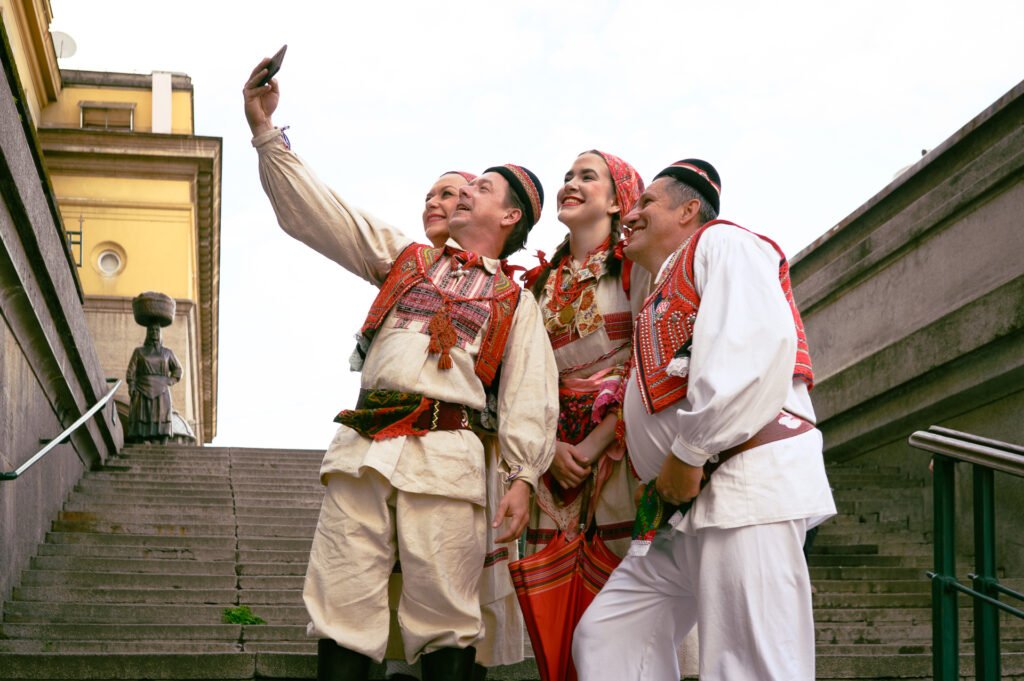
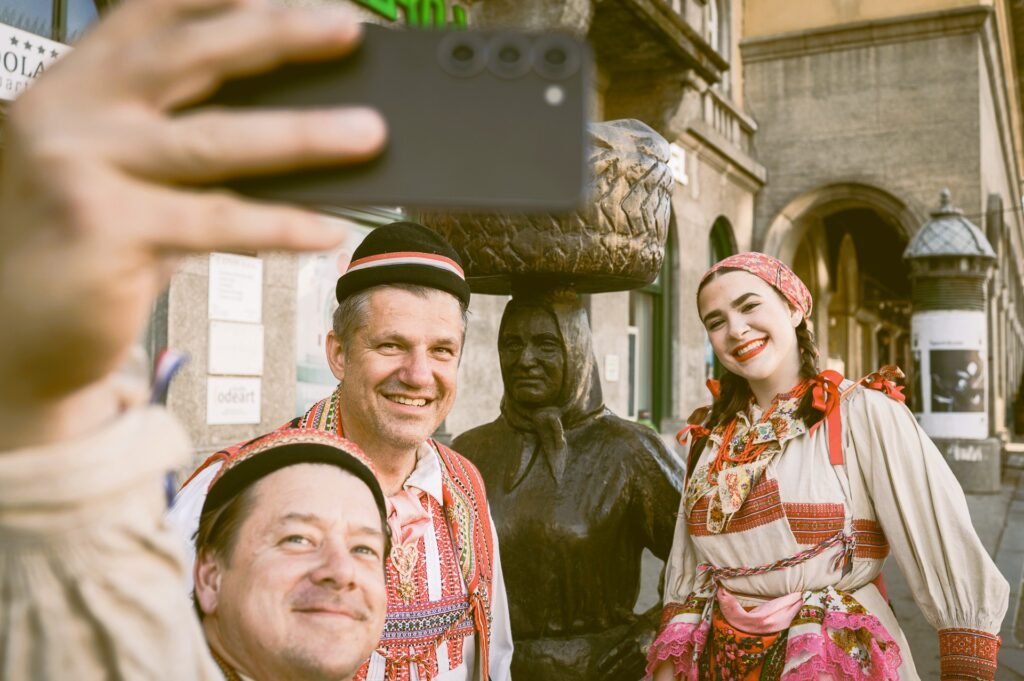
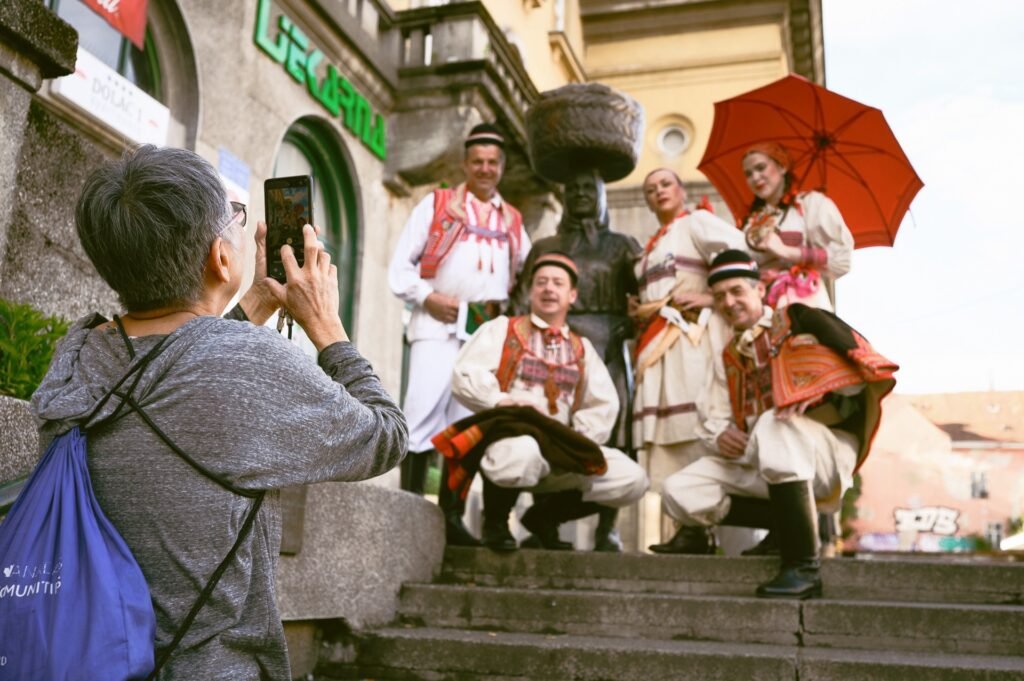
For nearly 100 years, Dolac has been the beating heart of Zagreb, where local farmers and the famous lady vendor statue "kumica" have kept the city's traditions alive.
Vendors from the surrounding countryside arrive in the early morning hours, continuing a tradition that has been passed down through generations. In tribute to the kumicas—the market women who helped feed the city for decades—a statue of Kumica Barica stands here today.
Although many people think Barica is simply a symbol, the statue is based on a real market vendor, Đurđica Jančić, who sold her goods at Dolac for more than 50 years. The name “Barica” was chosen by the citizens of Zagreb and today represents all the women whose hard work shaped the history of the market.
For nearly 100 years, Dolac has been the beating heart of Zagreb, where local farmers and the famous lady vendor statue "kumica" have kept the city's traditions alive.
Continue reading
Vendors from the surrounding countryside arrive in the early morning hours, continuing a tradition that has been passed down through generations. In tribute to the kumicas—the market women who helped feed the city for decades—a statue of Kumica Barica stands here today.
Although many people think Barica is simply a symbol, the statue is based on a real market vendor, Đurđica Jančić, who sold her goods at Dolac for more than 50 years. The name “Barica” was chosen by the citizens of Zagreb and today represents all the women whose hard work shaped the history of the market.
Note! Dolac is currently preparing for a major renovation, helping preserve its heritage and ensuring it remains at the heart of Zagreb’s daily life for generations to come.
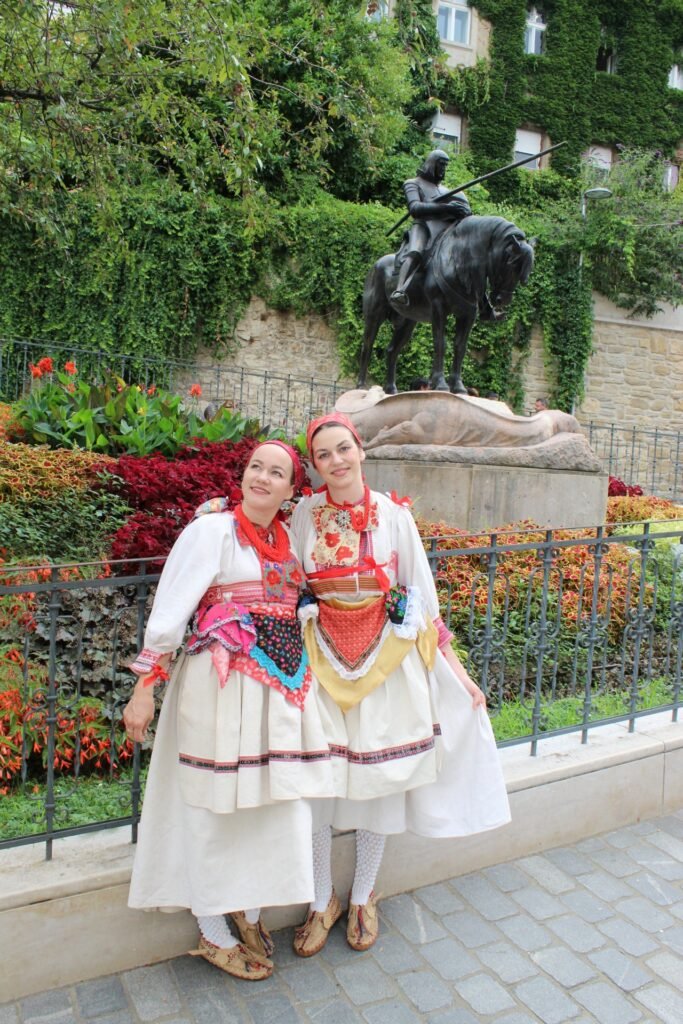
Upload your photo with the statue of Kumica Barica.
It is especially popular at sunset, when the city takes on a completely different charm.
Stop 3. Strossmayer Promenade
Strossmayer Promenade is named after Bishop Josip Juraj Strossmayer, one of Croatia’s most important cultural and political figures of the 19th century.
The site once formed part of the medieval defensive walls of Gradec, while today it is one of Zagreb’s favourite places for strolling, socialising, and taking photographs.
Fun fact: Every day at exactly noon, the Grič Cannon is fired from the nearby Lotrščak Tower. This tradition has continued since 1877, and locals once used the cannon blast to set their watches.
Strossmayer Promenade is named after Bishop Josip Juraj Strossmayer, one of Croatia’s most important cultural and political figures of the 19th century.
Continue reading
The site once formed part of the medieval defensive walls of Gradec, while today it is one of Zagreb’s favourite places for strolling, socialising, and taking photographs.
Fun fact: Every day at exactly noon, the Grič Cannon is fired from the nearby Lotrščak Tower. This tradition has continued since 1877, and locals once used the cannon blast to set their watches.
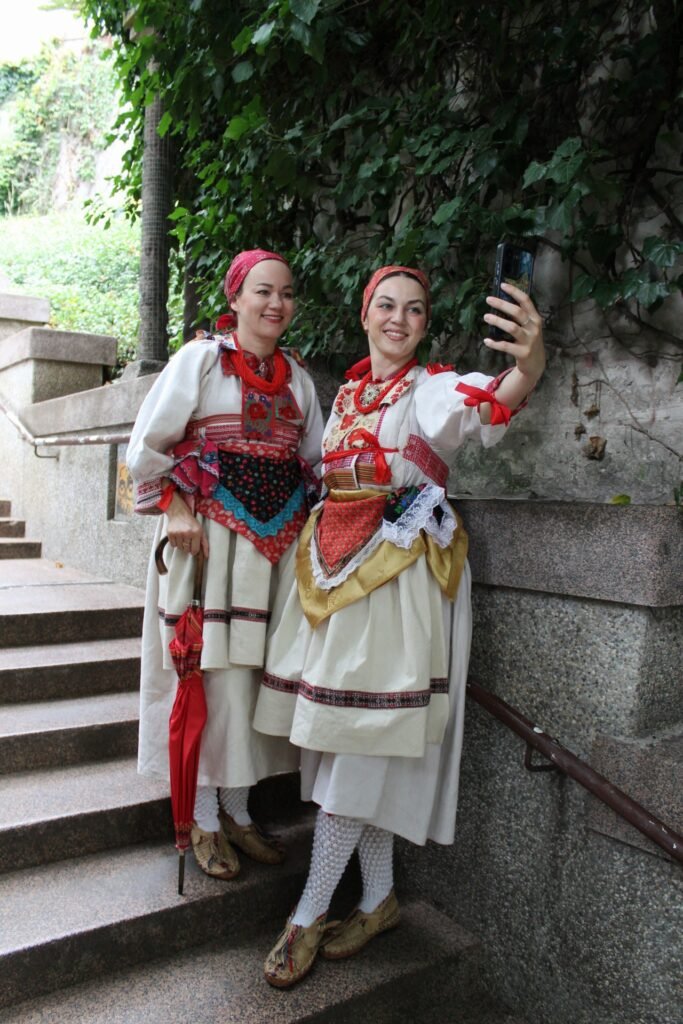
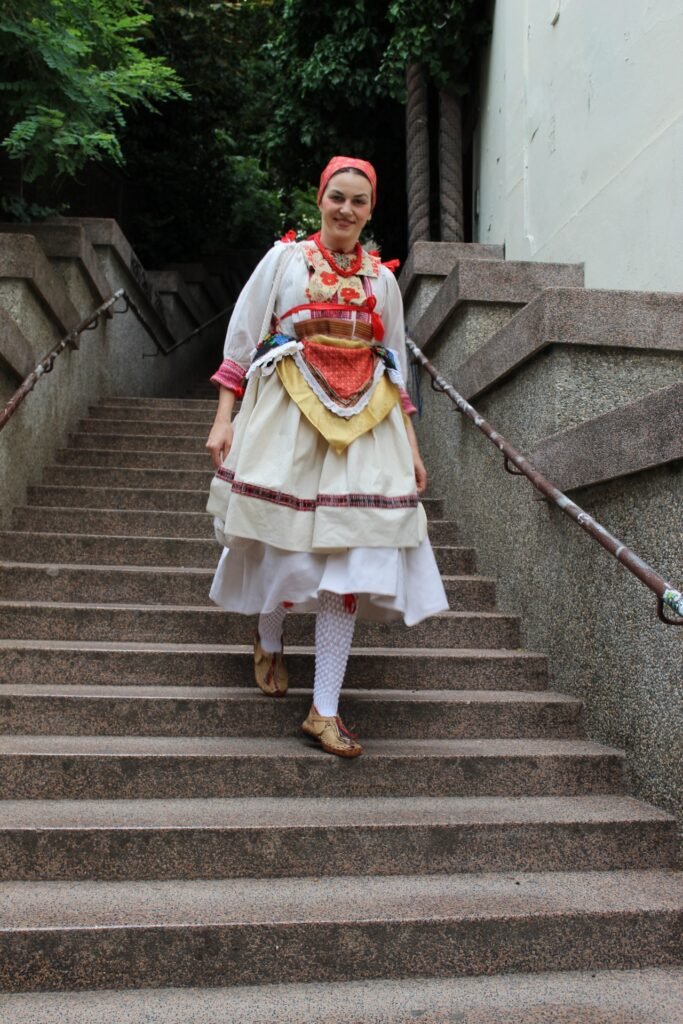
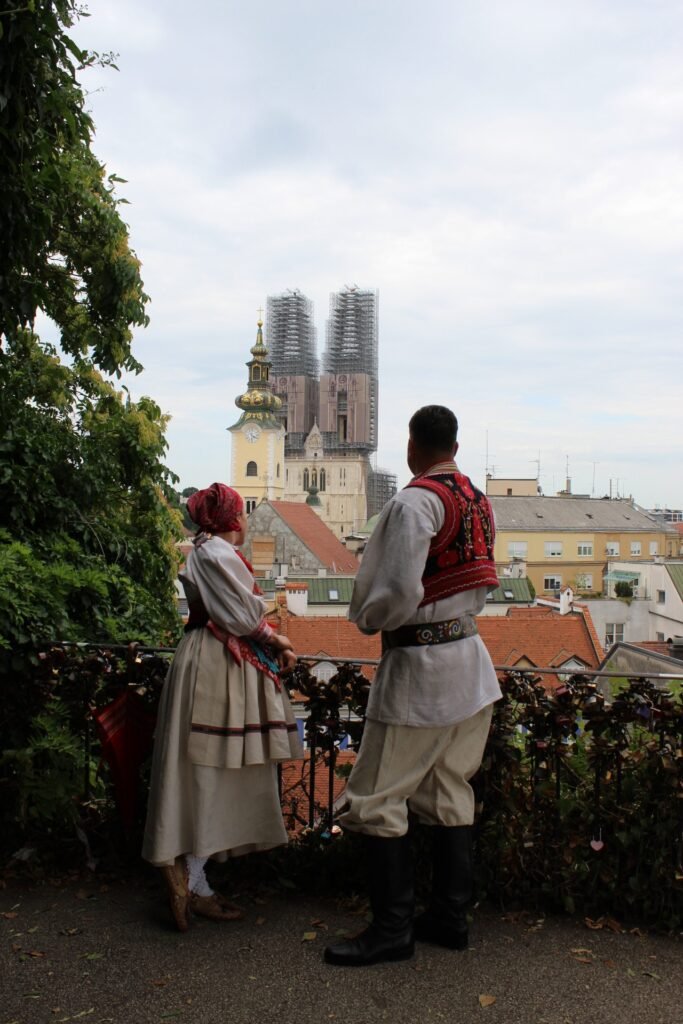
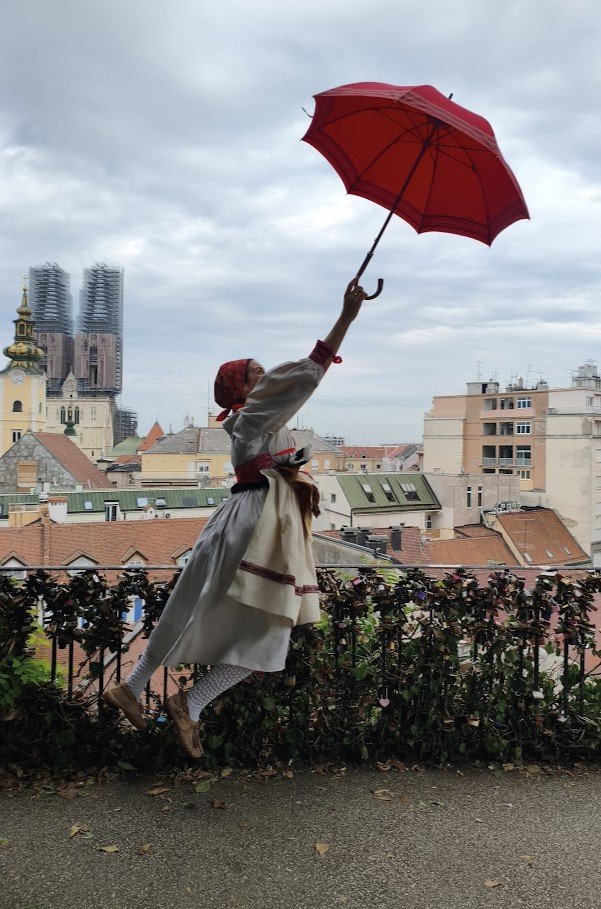
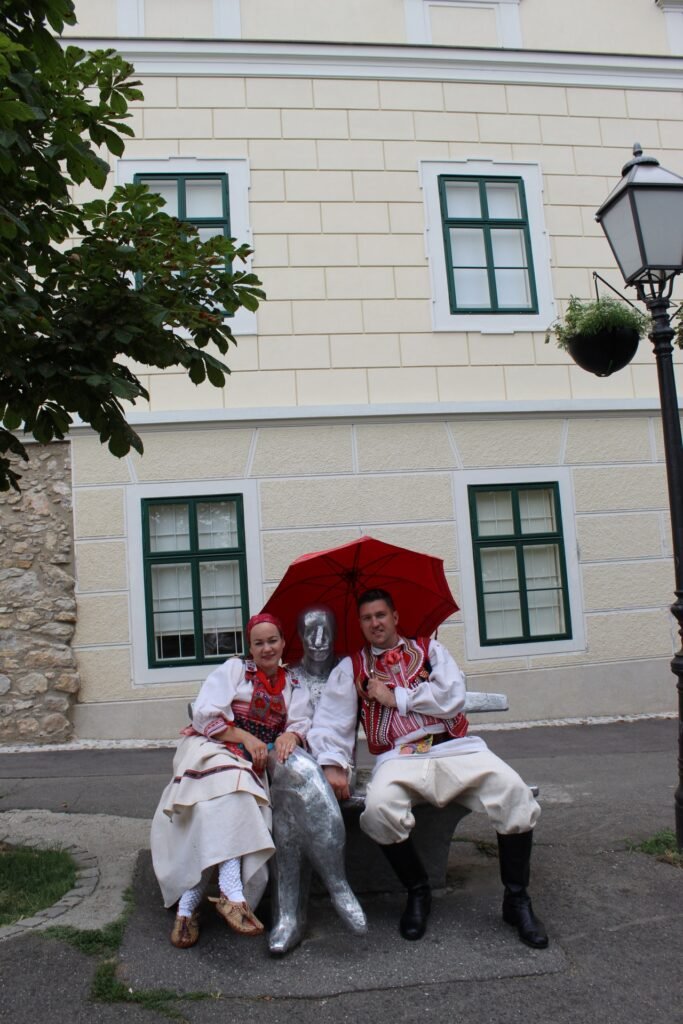
Try to capture Zagreb Cathedral framed between the tree branches – one of the city’s most iconic views.
The Stone Gate is the only preserved city gate of medieval Gradec.
Stop 4. Stone Gate
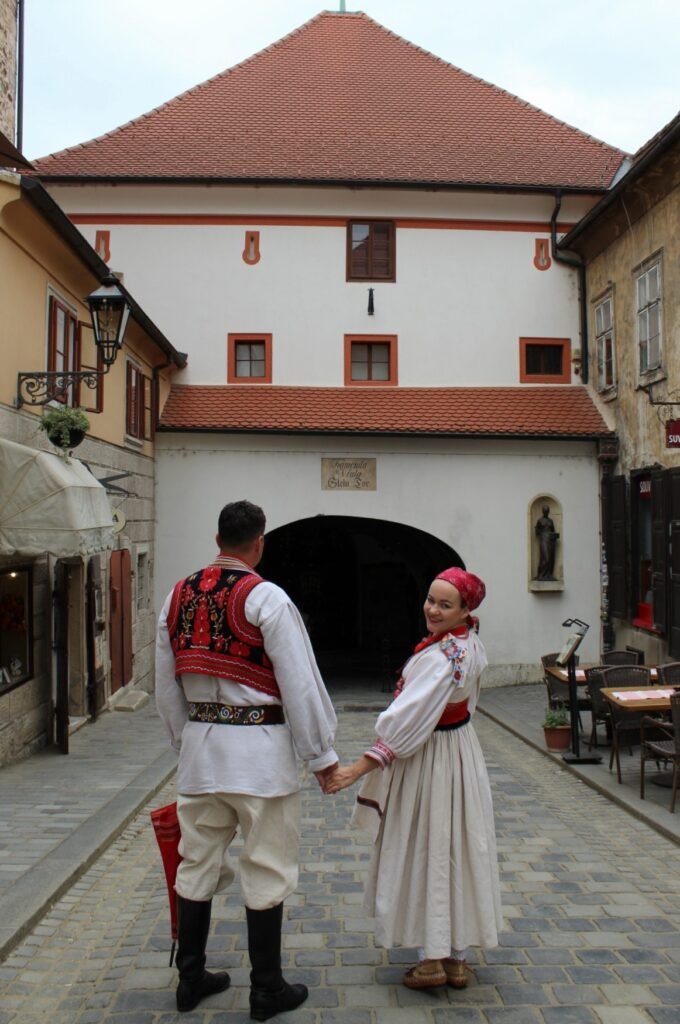
According to local tradition, a great fire destroyed most of the gate in 1731. When the flames were extinguished, a painting of the Virgin Mary and Child was found unharmed among the ashes, which the townspeople considered a miracle.
Since then, the Stone Gate has become one of Zagreb’s most important shrines. Visitors still light candles and leave messages of gratitude and prayer.
Fun fact: Many locals believe that Our Lady of the Stone Gate watches over and protects the city of Zagreb, making her the city’s heavenly patroness.
According to local tradition, a great fire destroyed most of the gate in 1731. When the flames were extinguished, a painting of the Virgin Mary and Child was found unharmed among the ashes, which the townspeople considered a miracle.
Continue reading
Since then, the Stone Gate has become one of Zagreb’s most important shrines. Visitors still light candles and leave messages of gratitude and prayer.
Fun fact: Many locals believe that Our Lady of the Stone Gate watches over and protects the city of Zagreb, making her the city’s heavenly patroness.
Expressive colors and rich textures met by dramatic shadows. Might be the best shot of the day.
The largest sacred building in Croatia and one of the city's most recognizable landmarks.
Stop 5. Zagreb Cathedral
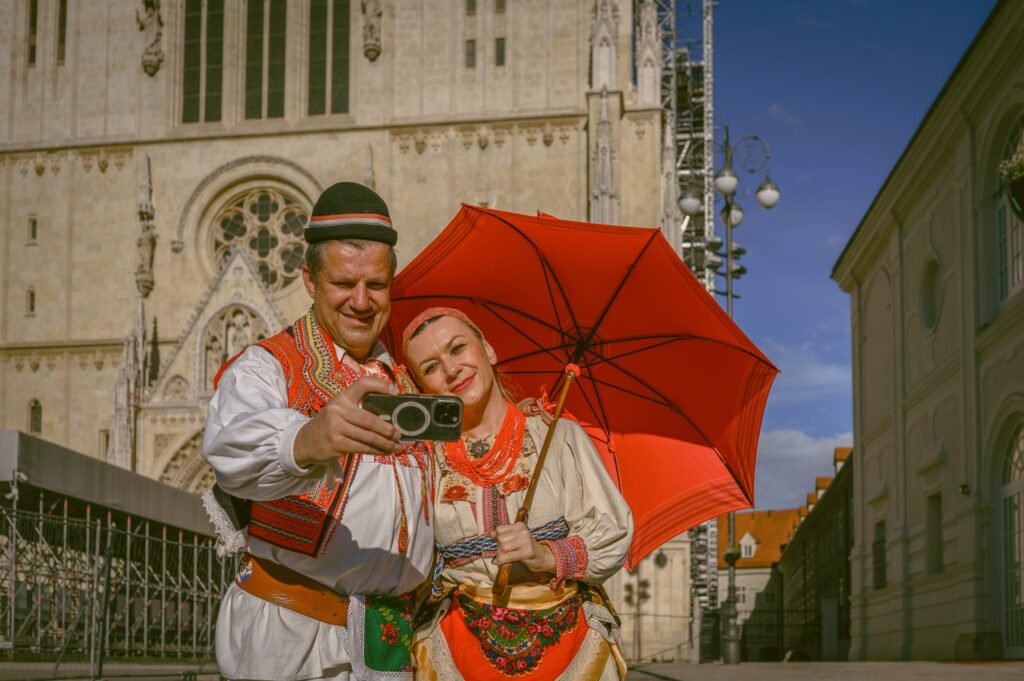
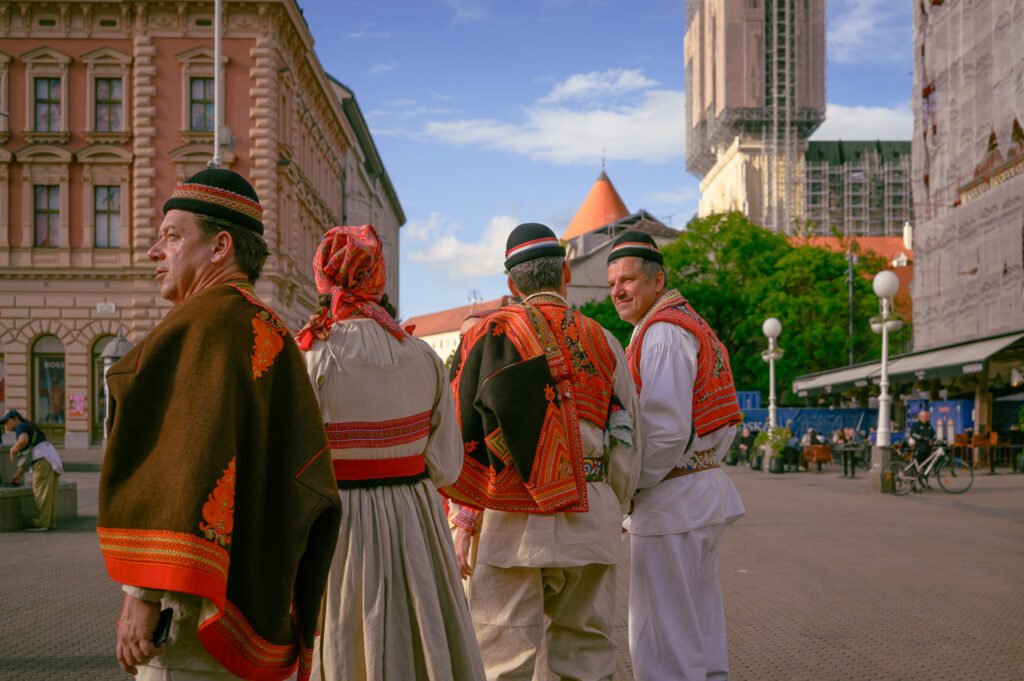
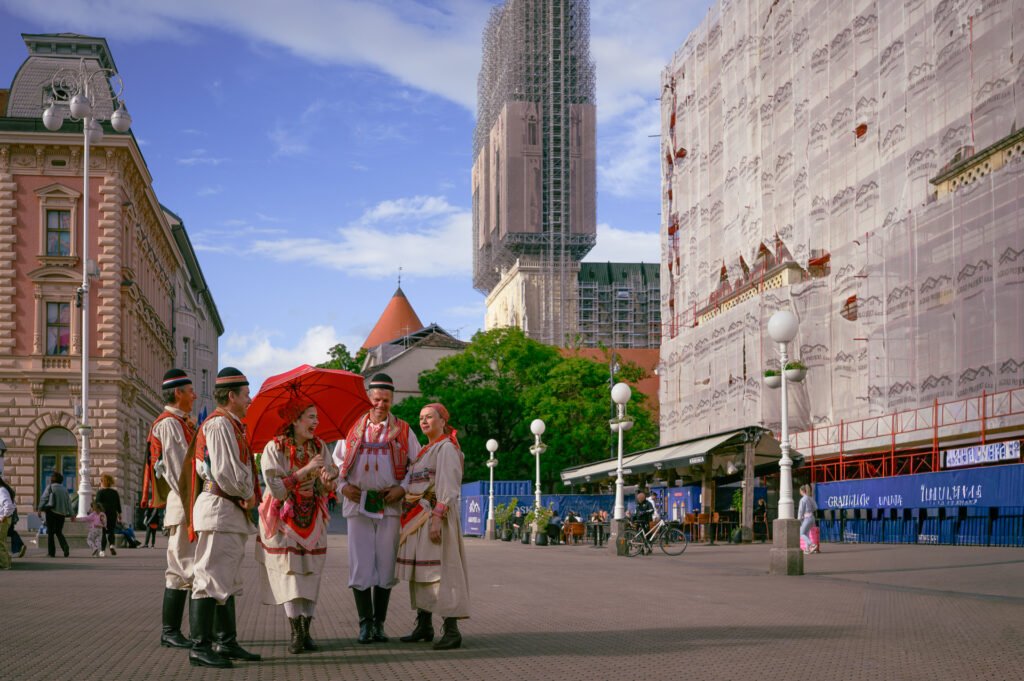
Its history dates back to the 11th century, and over the centuries it has survived Mongol invasions, fires, wars, and earthquakes. The cathedral received its present Neo-Gothic appearance in the late 19th century during a major restoration led by architect Hermann Bollé.
For centuries, its towers were the first thing travelers saw when approaching Zagreb. Because of this, locals like to joke that you can never get lost in the city as long as you can see the cathedral.
Inside, the cathedral is the final resting place of several important Croatian historical figures, including Blessed Alojzije Stepinac.
Its history dates back to the 11th century, and over the centuries it has survived Mongol invasions, fires, wars, and earthquakes. The cathedral received its present Neo-Gothic appearance in the late 19th century during a major restoration led by architect Hermann Bollé.
Continue reading
For centuries, its towers were the first thing travelers saw when approaching Zagreb. Because of this, locals like to joke that you can never get lost in the city as long as you can see the cathedral.
Inside, the cathedral is the final resting place of several important Croatian historical figures, including Blessed Alojzije Stepinac.
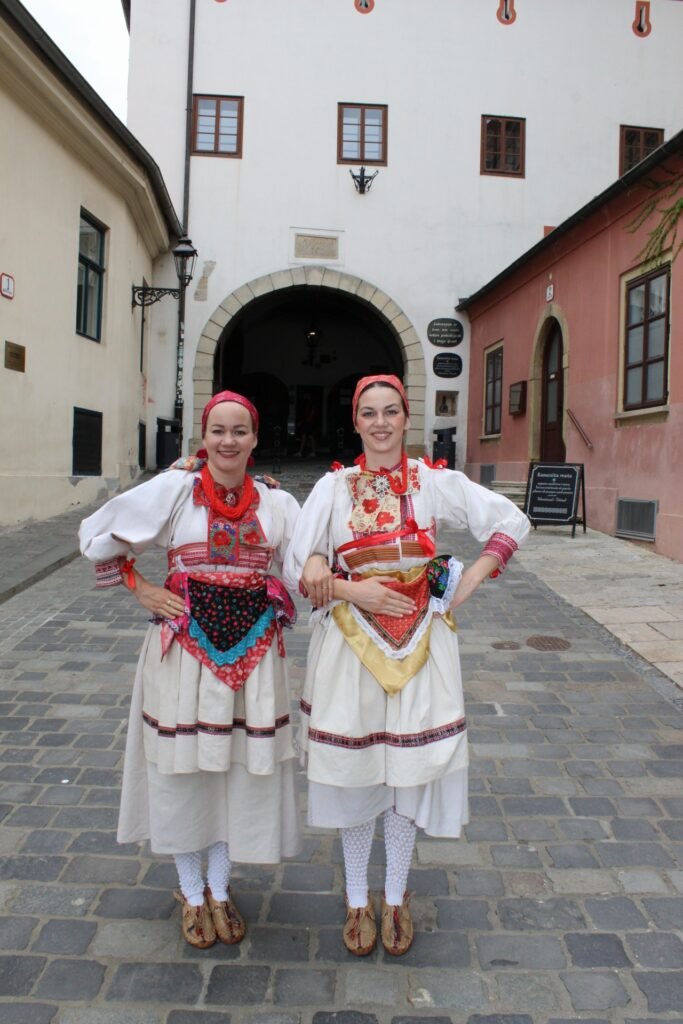
One folk costume, one medieval landmark. The most Croatian photo you'll ever take.
Become the face of "folk me up".
Join our folk gallery
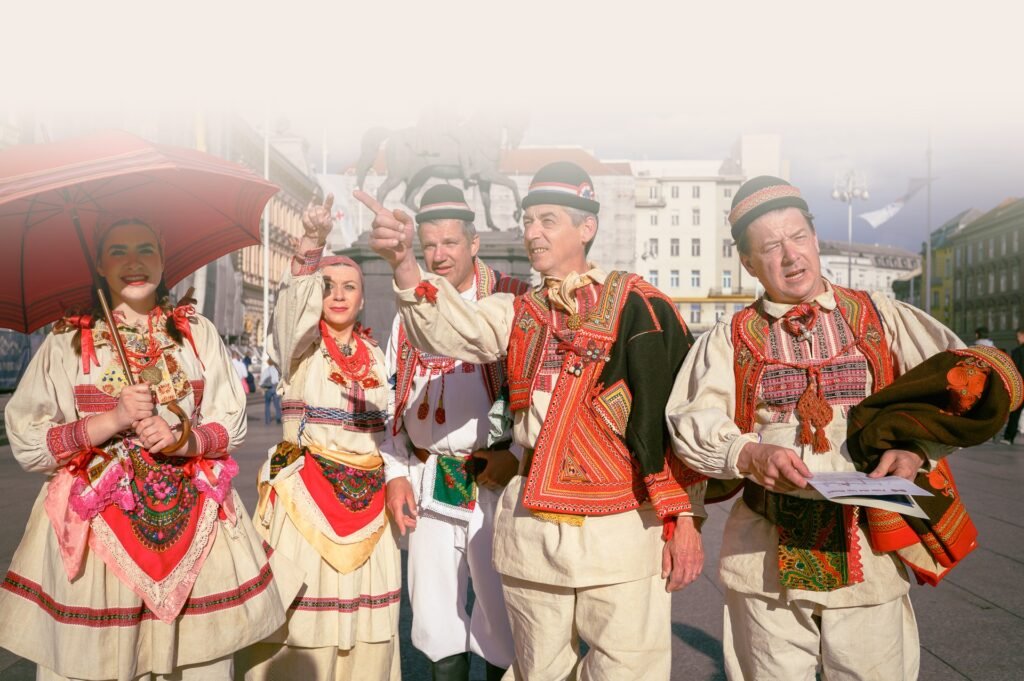
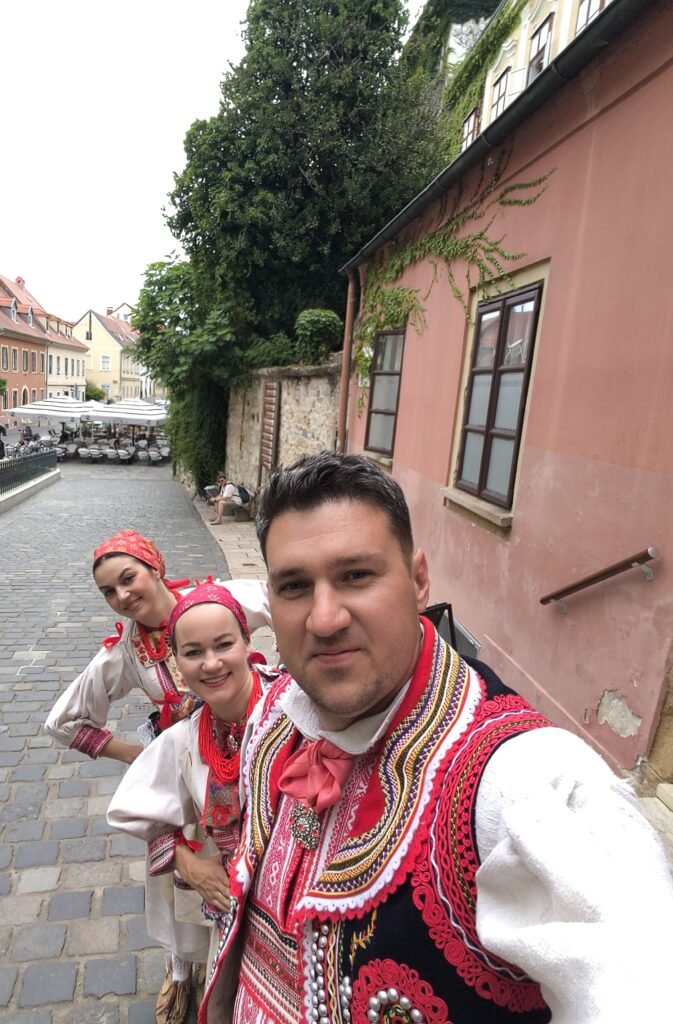
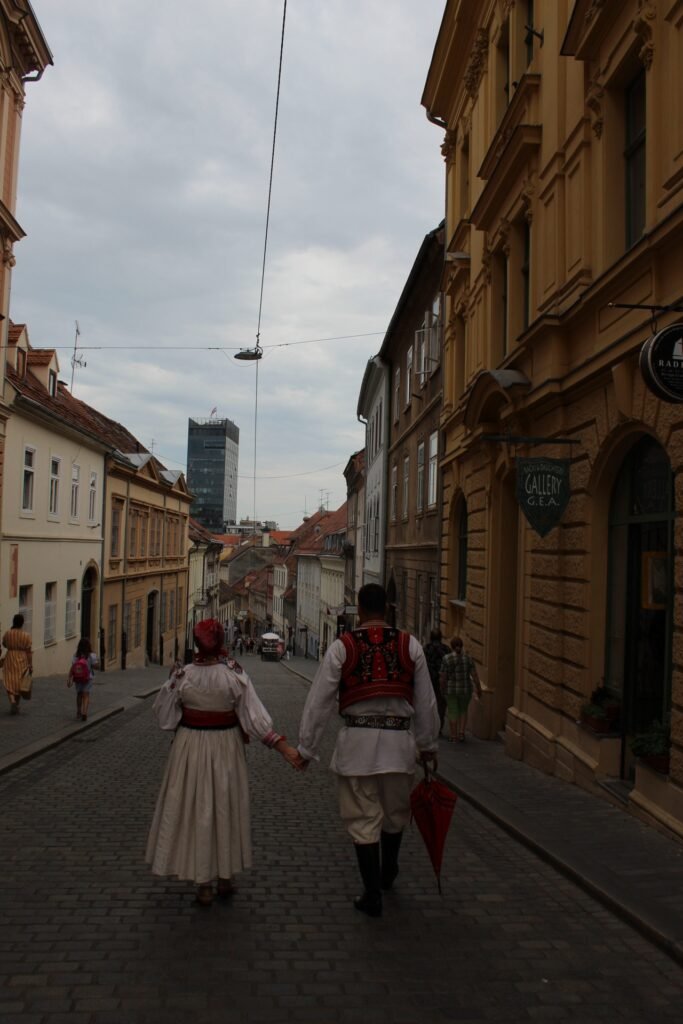
Show us Zagreb from a whole new angle or capture a fun moment in your Prigorje attire.
We love seeing your creative photos and unique poses! Click below to snap a quick selfie or upload your best shot.
Show us Zagreb from a whole new angle or capture a fun moment in your Prigorje attire.